Medicare Mistake #5: Ignoring Prescription Drug Coverage Until It’s Too Late

Many people on Medicare say the same thing when asked about prescription coverage:

“I don’t take many medications, so I’ll worry about that later.”

Unfortunately, that mindset leads to one of the most expensive and frustrating Medicare mistakes — ignoring prescription drug coverage until a problem appears.

By the time it does, the options to fix it may be limited, costly, or permanently restricted.


Why prescription coverage deserves more attention

Prescription drug coverage under Medicare (Part D) is not optional without consequences.

Even if you don’t take medications today:

  • Your health can change

  • Drug prices can increase

  • Formularies can change

  • Penalties can apply retroactively

Part D is designed to protect you before you need it — not after.


The penalty many people never see coming

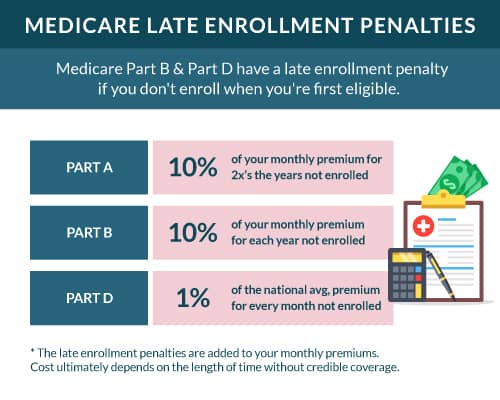
If you go 63 days or more without creditable prescription drug coverage after becoming eligible for Medicare, Medicare can apply a late enrollment penalty.

This penalty:

  • Is added to your Part D premium

  • Applies for as long as you have Medicare

  • Increases the longer you go without coverage

The penalty doesn’t disappear when you finally enroll.
It follows you permanently.


“My medications are covered now — so I’m fine”

Prescription coverage isn’t static.

Every year:

  • Drug formularies change

  • Tiers are adjusted

  • Copays increase

  • Prior authorizations are added

  • Pharmacies may leave networks

A medication that’s affordable today could become expensive or restricted next year — even if you stay on the same plan.

This is why prescription reviews matter annually, not just at enrollment.


The danger of assuming “all plans are the same”

Two Medicare plans can look identical on the surface but handle prescriptions very differently.

Differences may include:

  • Which drugs are covered

  • Tier placement

  • Preferred vs non-preferred pharmacies

  • Quantity limits

  • Step therapy requirements

Choosing a plan without reviewing prescriptions carefully can turn a manageable monthly cost into a financial burden.


“I’ll just add drug coverage later”

This is another common assumption — and a risky one.

Outside of specific enrollment windows, you may not be able to add or change prescription coverage when you want.

If you miss the right timing:

  • You may have to wait months to enroll

  • Penalties may already apply

  • Certain plans may be unavailable

Waiting removes control from the decision.


Medicare doesn’t tailor prescription advice to you

The official Medicare program (Medicare.gov) provides plan comparison tools, but it does not:

  • Track your medication history

  • Warn you when formularies change

  • Predict future drug needs

  • Alert you when penalties apply

The responsibility to review coverage falls on you.


How to avoid this mistake entirely

Avoiding prescription-related Medicare mistakes requires reviewing:

  • Your current medications

  • Potential future needs

  • Pharmacy preferences

  • Total annual drug costs — not just monthly premiums

Even if you take no medications today, having creditable coverage protects you from penalties and keeps your options open.


The bottom line

Prescription drug coverage isn’t just about what you take today.
It’s about protecting yourself from future costs, penalties, and limitations.

Ignoring Part D can quietly create lifelong consequences — often without any immediate warning.

Before choosing or renewing a Medicare plan, one question matters more than most:

“How will this plan handle my prescriptions if things change?”


Coming next in this series

Medicare Mistake #6: Keeping the Same Plan Without an Annual Review

Real-World Prescription Examples: How Medicare Drug Coverage Can Catch You Off Guard

Many Medicare prescription problems don’t show up right away.
They show up at the pharmacy counter, when costs suddenly change and options are limited.

Here are examples that happen every day.


Example #1: “My medication was covered last year — now it isn’t”

Situation:
Linda takes a common cholesterol medication. Last year, it was covered with a $10 copay.

This year:

  • The drug was moved to a higher tier

  • The copay increased to $45

  • A prior authorization is now required

Linda didn’t change plans — the plan changed.

Because she didn’t review her prescription coverage during Annual Enrollment, she’s now paying hundreds more per year.


Example #2: The “I don’t take medications” assumption

Situation:
Tom enrolled in Medicare but skipped Part D because he felt healthy and took no prescriptions.

Six months later:

  • He’s diagnosed with high blood pressure

  • His doctor prescribes medication

  • He has no prescription coverage

Tom now:

  • Pays full retail prices

  • Can’t add drug coverage until the next enrollment period

  • Faces a permanent Part D late enrollment penalty

Skipping coverage didn’t save him money — it limited his options.


Example #3: Same drug, different pharmacy, very different cost

Situation:
Carol takes a diabetes medication.

Her plan:

  • Charges $35 at a preferred pharmacy

  • Charges $110 at a non-preferred pharmacy

She switches pharmacies for convenience and doesn’t realize the difference until checkout.

Prescription plans don’t just cover drugs — they also control where you fill them.


Example #4: Generic today, brand-name tomorrow

Situation:
Mike’s medication has a generic version this year, keeping costs low.

Next year:

  • The generic is temporarily unavailable

  • The brand-name version is required

  • His plan places the brand on a high tier

Mike’s cost jumps from $15/month to over $200/month — without changing plans.

Drug availability and tier placement can change quickly.


Example #5: Coverage ends mid-year due to formulary rules

Situation:
Susan takes a specialty medication for a chronic condition.

Her plan:

  • Covers the drug initially

  • Requires step therapy after a certain dosage

  • Limits quantity per month

Mid-year, her doctor increases the dosage.
The plan now requires an exception — which may or may not be approved.

Coverage doesn’t always mean unrestricted access.


Why these situations are so common

Prescription drug plans change every year.
They are allowed to:

  • Move drugs between tiers

  • Add restrictions

  • Change pharmacy networks

  • Adjust copays and coinsurance

What’s affordable and covered today may not be next year — even if you do nothing.

The official Medicare system (Medicare.gov) provides comparison tools, but it doesn’t warn you when these changes affect your medications.


The key takeaway

Prescription coverage mistakes usually aren’t obvious at enrollment.
They show up later — when:

  • You need a medication urgently

  • Costs spike unexpectedly

  • Enrollment windows have closed

The safest approach is to review prescription coverage every year, even if:

  • You take few medications

  • Nothing changed last year

  • Your plan “worked fine before”


How this fits into the Medicare Mistakes series

These examples reinforce why Medicare Mistake #5 isn’t about being careless — it’s about being unaware of how quickly prescription rules can change.

Share This Story, Choose Your Platform!

Leave A Comment